EN
EN
 fr
fr  de
de  es
es  it
it  ru
ru  pt
pt  ar
ar  ms
ms  id
id 


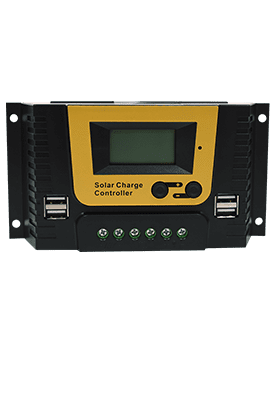

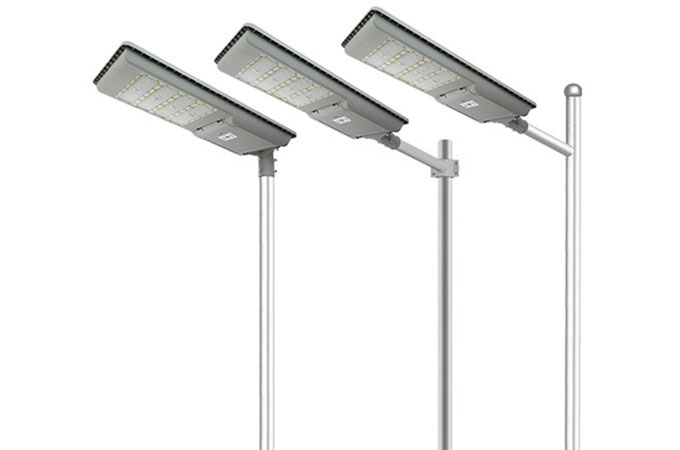
Anern, avec 16 ans d'expérience dans l'industrie de l'énergie, des systèmes solaires aux accessoires solaires, de l'éclairage LED intérieur à l'éclairage solaire extérieur, nous sommes l'une des sources pour répondre à vos divers besoins.




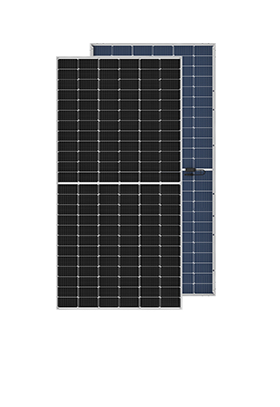
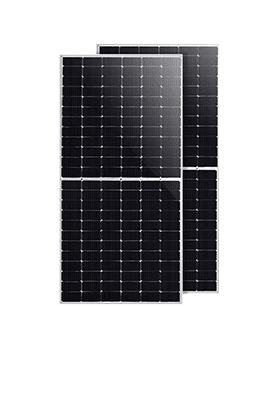
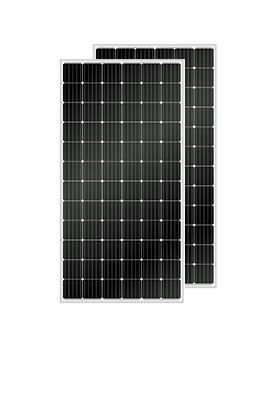
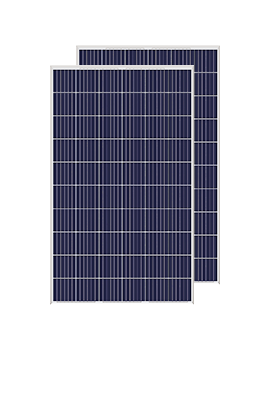


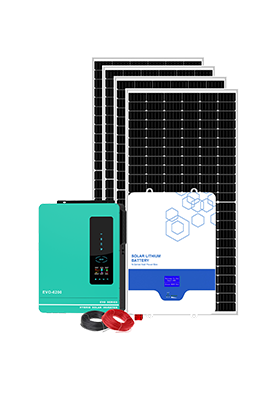



Nous fournissons aux clients des solutions d'énergie solaire à guichet unique et des solutions d'éclairage routier, et fournissons des services ODM et OEM, nous pouvons rencontrer des clients des achats ponctuel, pour fournir aux clients des services plus complets.
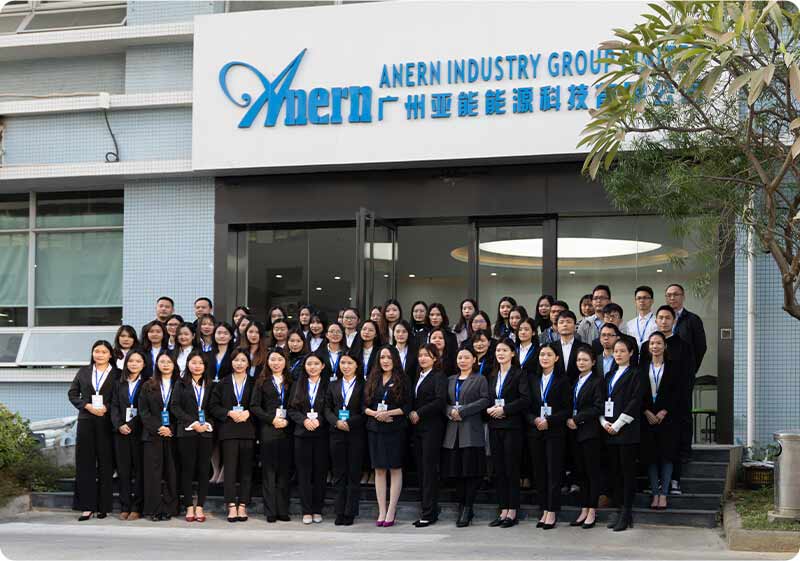
Anern a 16 ans d'expérience dans l'éclairage solaire et la fabrication de produits solaires. Anern a son siège à Guangzhou. Avec une base de production de 7,000 mètres carrés, notre société dispose d'une équipe de R & D de plus de 100 personnes.

In the field of new energy, hybrid PV inverters and energy storage inverters are both important devices, playing indispensable roles in our lives. But what exactly is the difference between the two? We will delve deeply into the differences between these two types of inverters from the perspectives of structure, function, and application scenarios.
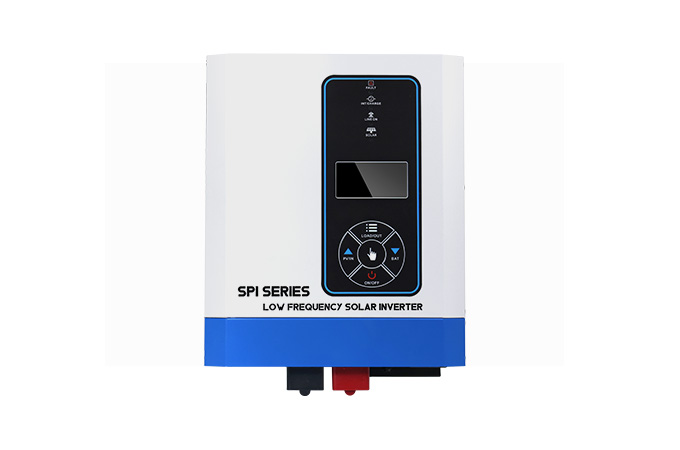
Firstly, from a principle point of view, an inverter is mainly a device that converts a DC power source into an AC power source. It uses the switching characteristics of semiconductor devices (such as FETs or thyristors) to control the power voltage and current through fast switching, thereby achieving the conversion from DC to AC.
An energy storage inverter (PCS) is a broader concept, involving the conversion and regulation of electrical energy through power electronic devices to achieve power transmission, conversion, and control.PCS mainly includes rectification, inversion, DC/DC conversion, and other module parts, with the inverter module being just one of its components.
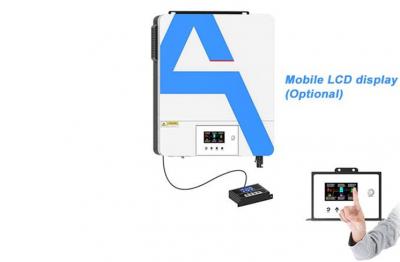
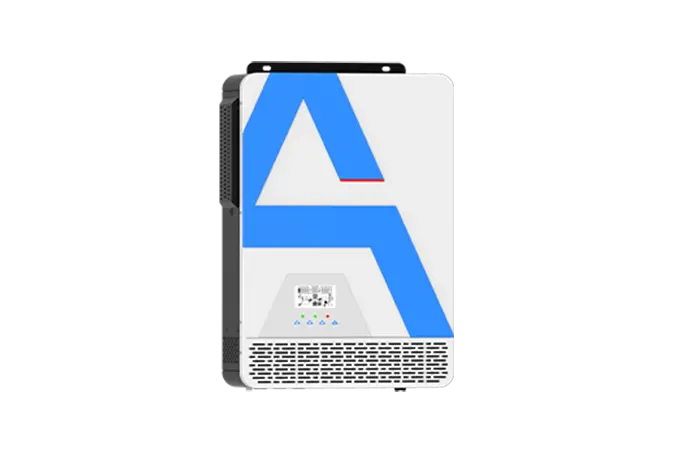
From a functional perspective, a hybrid PV inverter primarily focuses on converting DC electricity generated by solar PV panels into AC electricity for use by the grid or other electrical appliances. Through its internal circuits and control modules, it optimizes the output power of the solar PV array, processes the DC electricity generated by the PV panels, and ultimately outputs AC electricity that meets grid requirements.
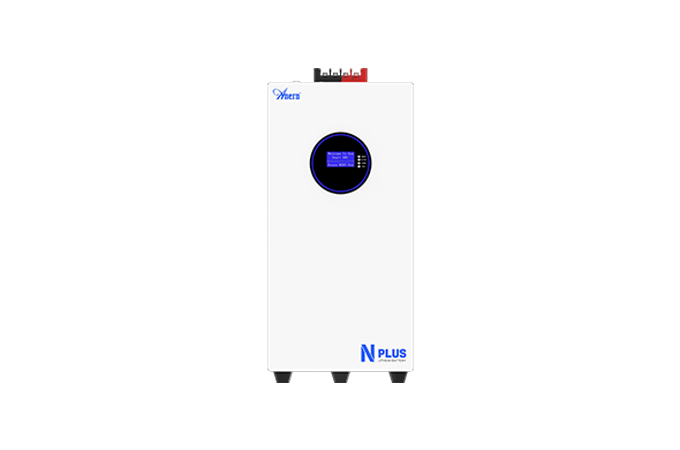
An energy storage inverter places more emphasis on bi-directional power conversion and intelligent management. It can not only convert DC electricity to AC but also convert AC to DC for storage. In addition to converting DC to AC, it supports BMS/EMS linkage, cluster-level management, and enhances charge/discharge capacity. It can independently manage peak shaving and valley filling locally and can intelligently schedule the charge and discharge operations of the storage system.
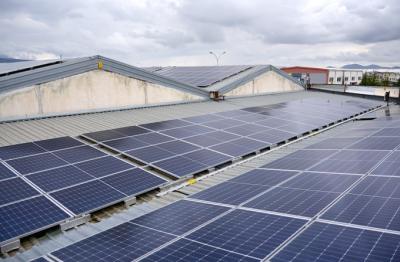
In terms of application scenarios, hybrid PV inverters are mainly used in solar power generation systems, such as residential PV systems, commercial and industrial PV projects, and large ground-mounted power stations. Their main function is to convert the DC power generated by the solar power generation system into AC power and deliver it to the grid.
Energy storage inverters, on the other hand, are more focused on applications in electrochemical energy storage systems such as energy storage power stations, centralized or string, commercial and industrial, and residential scenarios. In these scenarios, energy storage inverters achieve the efficient utilization and storage of renewable energy through intelligent management of the charging and discharging processes, providing stable and reliable power support for various application scenarios.
As for commonalities, both are power electronic devices used for the conversion and regulation of electric energy to achieve stable operation of the power system. They both need to meet certain electrical safety standards to ensure the safe operation of the equipment.
Additionally, since energy storage inverters need to integrate a battery management system (BMS), their cost is relatively higher. Meanwhile, hybrid PV inverters have relatively simpler functions, so their cost is usually lower. At the same time, energy storage inverters also have higher safety requirements, not only meeting basic electrical safety standards but also considering the safety of the BMS and protection measures in case of battery failure.
In conclusion, hybrid PV inverters and energy storage inverters have distinct differences in terms of principles, application scenarios, power output, costs, and safety. In actual applications, the appropriate device should be chosen based on specific needs and scenarios.
La pluie aide en fait les panneaux solaires à fonctionner plus efficacement. En effet, la pluie éliminera toute saleté ou poussière qui s'accumule sur les panneaux afin qu'ils puissent absorber la lumière du soleil plus efficacement.Les panneaux solaires d'AnernGénèrent en fait plus d'électricité que ce dont vous avez besoin pendant les heures de pointe. Cet excès de puissance peut être utilisé pour fournir une alimentation supplémentaire les jours ou la nuit.
En moyenne, un ménage a besoin de 21-25Panneaux solaires en vracPour consommer 1,000 KWH d'électricité par mois. (Chaque panneau solaire est de 400 watt)
Pour les échantillons, complet par T/T à l'avance; pour la commande en gros, 30% le dépôt par TT à l'avance, solde par TT avant expédition. Le L/C est acceptable pour le grand ordre. Il peut être négociable.
Tout d'abord, le soleil est une source d'énergie renouvelable et est libre d'utiliser.
Deuxièmement, le coût de maintenance des composants solaires est suffisamment bas.
Actuellement, nous ne faisons que des ventes directes d'usine, nous souhaitons la bienvenue à tous les clients pour commander directement auprès de nous.